Return Back on the Road With Security - Reliable Auto Restoration
Dependable auto repair guide is vital for vehicle safety and performance. A trustworthy shop delivers comprehensive services, from routine checks to emergency fixes. Recognizing when your vehicle requires service can be challenging. Many drivers have trouble locating trustworthy mechanics. Regular maintenance plays a key role in prolonging a vehicle's life. Yet, the intricacies surrounding pricing and talking to repair technicians can leave one unsure. What steps can drivers take their vehicles are always prepared for driving?
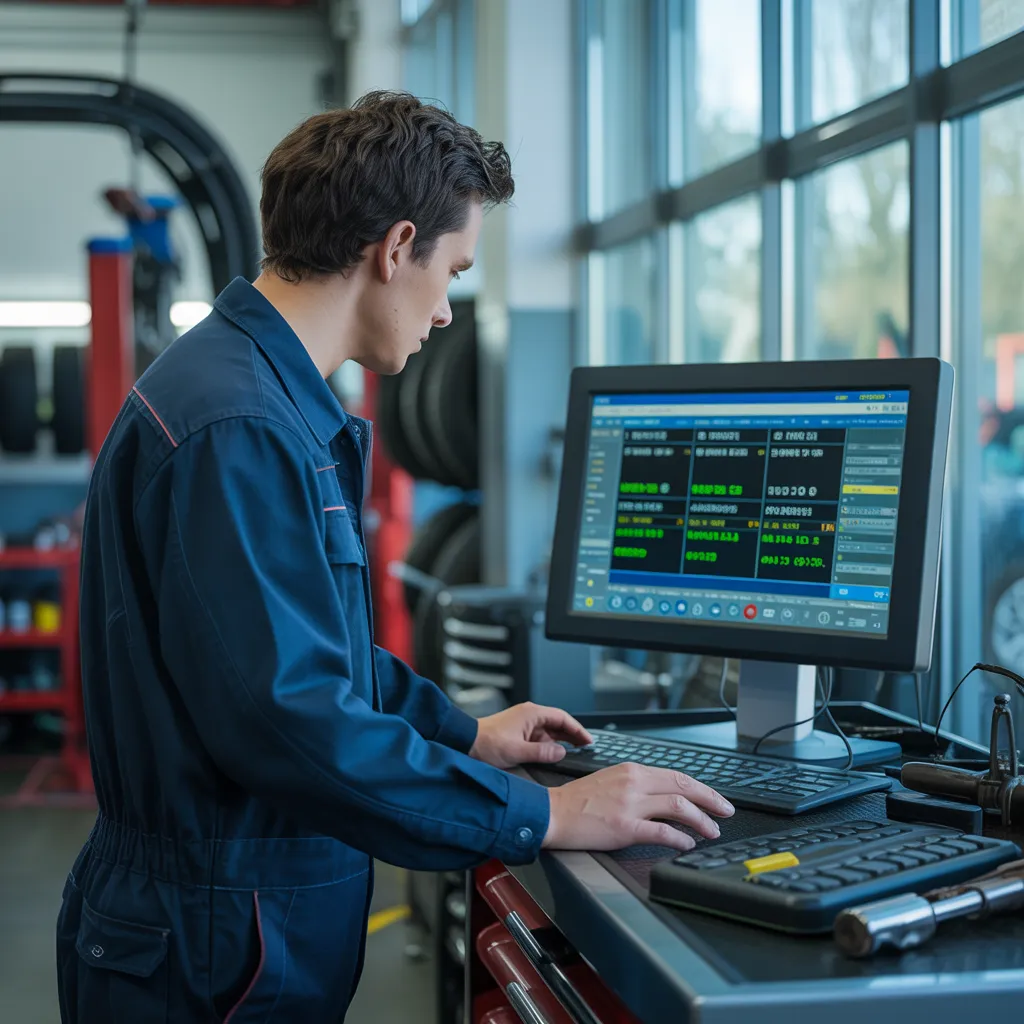
Determining When Your Car Needs Repairs
How can one determine when a vehicle needs repair? There are various key indicators that indicate a maintenance need. Unusual noises, such as grinding or squeaking, often suggest brake or engine problems. Warning lights on the dashboard, particularly the check engine light, should not be ignored, as they warn of potential problems that require immediate inspection. Additionally, a decrease in performance, such as sluggish acceleration or difficulty starting, can also suggest underlying mechanical issues.
Visual cues, such as oil seepage or irregular tire degradation, are further indications that maintenance is needed. If the vehicle veers to one side while in motion, this could indicate misalignment issues or tire defects. Regularly observing these components can help ensure quick repairs, avoiding more serious damage and expenses in the coming years. All things considered, being vigilant and proactive is essential for maintaining automotive wellness.
How to Discover a Reputable Auto Repair Shop
Locating a trustworthy auto repair shop can be a tough job for car owners. To start out, people should seek guidance from associates, family, or coworkers. Own experiences often impart valuable insights into a shop's standard of service. Internet-based reviews and ratings on platforms like Yelp or Google can also help evaluate consumer contentment.
Next, validating endorsements and partnerships with established sector bodies, such as the Automotive Service Excellence (ASE), can point to a shop's investment in quality benchmarks. It is advisable to tour likely candidates for an starting consultation, letting clients to assess cleanliness, organization, and customer service.
In addition, getting formal quotes before any work begins can eliminate disagreements regarding costs. Finally, a honest shop should be transparent about its services and willing to describe repairs. By following these steps, vehicle owners can increase their chances of finding a dependable auto repair shop.
The Essential Value of Ongoing Automobile Care
While many vehicle owners may overlook routine upkeep, consistent car upkeep is crucial for ensuring a car's lifespan and peak performance. Neglecting maintenance can lead to a series of problems, from small hassles to major failures. Regular inspections, such as oil replacements, tire turns, and brake inspections, can avoid expensive maintenance and enhance safety on the road.
Furthermore, ongoing maintenance helps sustain a vehicle's gas mileage, reducing overall operating costs. It also safeguards the resale value; a well-kept car is often more desirable to prospective buyers.
Taking part in routine care fosters a sense of responsibility among owners, motivating them to keep informed about their vehicle's requirements. By focusing on regular care, vehicle owners not only protect their financial commitment but also support overall road safety. Ultimately, regular vehicle upkeep is a strategic initiative that benefits both the owner and the broader community.
Learning About Repair Fees
Deciphering maintenance expenses can often prove confusing for vehicle owners. Various factors shape these outlays, including hourly wages, parts pricing, and the difficulty of the repair process. Labor charges fluctuate considerably depending on area and establishment, often reflecting the technician's expertise and the business's operating expenses. Additionally, the choice of components employed—if OEM or replacement—can substantially determine the overall bill.
Vehicle age and model also factor in; older or less common models may need specialized parts that are more expensive and harder to source. Furthermore, surprise complications can emerge during maintenance work, causing supplementary charges that were not initially anticipated. By acquiring general awareness of these factors, vehicle owners can tackle repair quotes with increased assurance and take knowledgeable choices regarding their car-related necessities.
How to Clearly Describe Car Problems to Your Technician
Relaying car problems clearly to a technician can greatly enhance the diagnosis and repair procedure. When explaining issues, car drivers should be detailed about signs, such as strange sounds, tremors, or warning lights. Sharing details on when the problem occurs—whether during speeding up, stopping, or running at rest—can also help the mechanic identify the issue.
It is significant to note any latest modifications in driving behavior or upkeep records. Choosing simple, plain language sidesteps vagueness, allowing the mechanic to understand the situation better. Owners should abstain from incorporating technical jargon unless they are assured in its interpretation.
Moreover, delivering documentation, including service records or previous repair invoices, can furnish context. A thorough explanation not only facilitates swift diagnosis but also cultivates a collaborative relationship between the car owner and the mechanic, ultimately enabling effective repairs.
Establishing a Long-Term Relationship With Your Auto Repair Shop
Creating a long-term bond with an auto repair shop depends on faith and transparency. Regular quality service strengthens this partnership, while open interaction pathways guarantee that customers sense valued and acknowledged. Together, these components create a partnership that serves both the customer and the technician.
Foster Confidence With Transparent Operations
When clients feel educated about the repairs their vehicles need, trust naturally forms between them and their auto repair shop. Transparency in communication is key; it allows customers to understand the motivation behind recommended repairs and maintenance. Auto repair shops that provide clear information, precise estimates, and open dialogues encourage a sense of confidence among their clientele. This openness not only clarifies the repair process but also empowers customers to make educated decisions. Additionally, sharing information about the shop’s qualifications, warranties, and service history improves credibility. By focusing on transparency, auto repair shops can maintain lasting relationships, encouraging customer loyalty and retention. Ultimately, trust through transparency enables a more positive and trustworthy auto repair experience.
Reliable Quality Service
Consistent quality service is the foundation of a lasting relationship between customers and their vehicle repair center. When customers receive reliable and efficient repairs, they are more likely to return for ongoing care. This reliability cultivates trust, allowing customers to feel confident in the competence of the technicians. Over time, as customers see the same high standards being upheld, a sense of dedication develops. Regularly performed quality checks and conformance to industry standards guarantee that vehicles are not only repaired but also kept in good condition to prevent subsequent problems. Such dedication to excellence creates an atmosphere where customers feel valued, knowing their vehicles are in capable hands. Ultimately, this pledge to consistent quality service strengthens the bond between auto repair shops and their clientele.
Develop Communication Lines
Effective interchange acts as an vital bridge between customers and their auto repair shops, enhancing trust and comprehension. Transparent communication pathways establish a teamwork-oriented environment where customers feel important and kept in the loop. When repair shops provide clear accounts regarding services, costs, and timeframes, customers can make superior decisions about their automobiles. Regular communications during repairs can ease anxiety and forge assurance in the shop's expertise. Conversely, patrons who voice their concerns and desires participate in to a more personalized engagement. This reciprocal dialogue not only deepens relationships but also encourages allegiance. By prioritizing transparent communication, auto repair shops can establish a name for trustworthiness, ensuring that patrons revisit for future requirements, certain in the service they will experience.
Common Questions Asked Often
What Must I Do if My Car Stops Suddenly?
When a car breaks down suddenly, the driver should securely move to the roadside, activate hazard lights, assess the situation, and call for roadside assistance or a tow service if needed. Remaining composed is crucial.
How Can I Assess if a Mechanic Is Credible?
To assess a mechanic's reliability, one should review ratings, ask for referrals, verify qualifications, and notice openness in pricing. A reliable mechanic will communicate clearly and provide detailed explanations of required maintenance and work.
Do vehicle repair guarantees available?
Several auto repair shops offer guarantees on their work and components, typically spanning 90 days to several years. Customers should ask about specific terms and conditions to guarantee adequate coverage for their repairs.
What Resources Should I Keep in My Car for Critical Moments?
A well-stocked vehicle should include a spare tire, jack, jumper cables, flashlight, first aid kit, basic tools, and tire pressure gauge. These vital components help ensure safety and manage minor issues during unexpected emergencies on the road.
How Can I Ready My Car for Seasonal Changes?
To get ready a car for climate shifts, one should verify liquid amounts, check tires for wear and inflation, test the power source, change wipers, and make certain lights operate as intended for optimal safety and efficiency.